- Strengthens trade into South Korea from Asia Pacific and Europe, supporting more resilient and high growth supply chains
- Delivery of imports from across Asia Pacific and Europe to destinations in Seoul metro area completed one business day faster
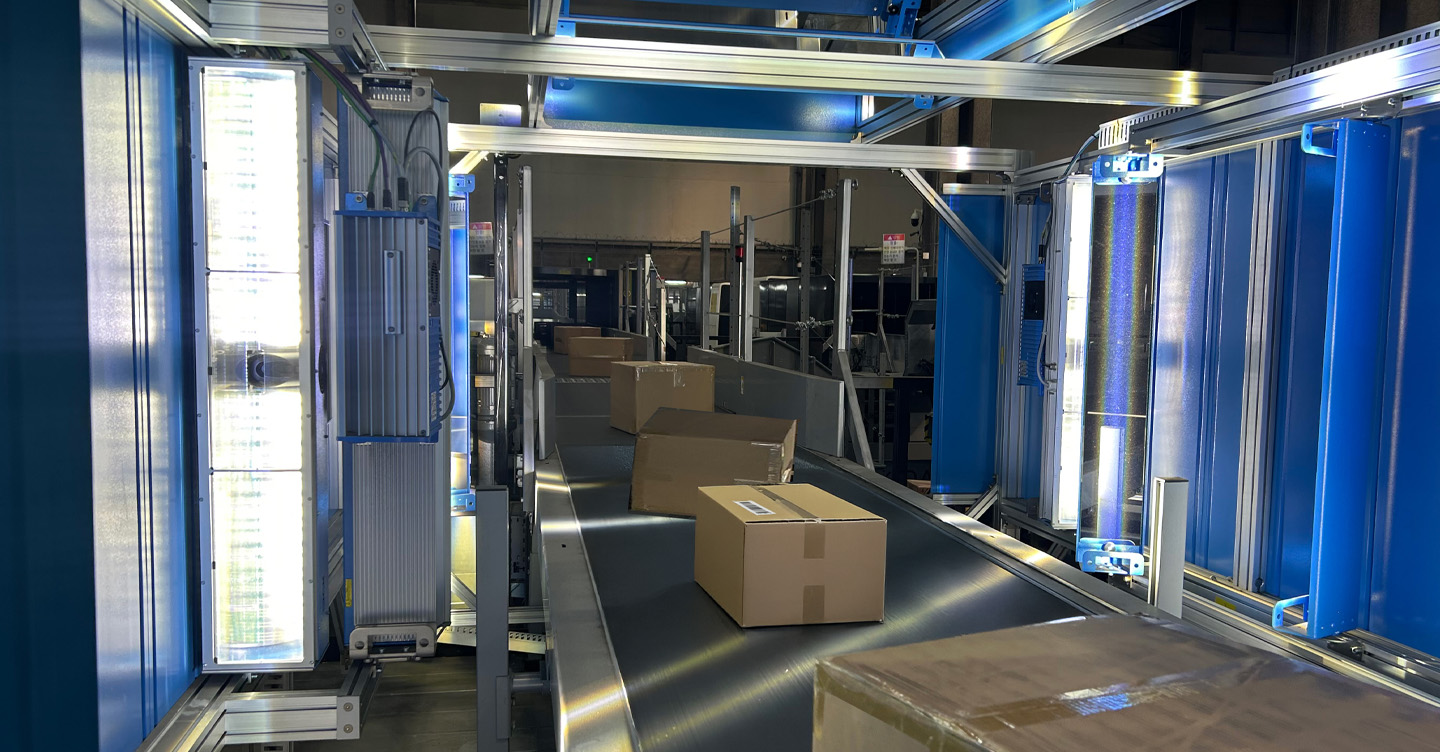
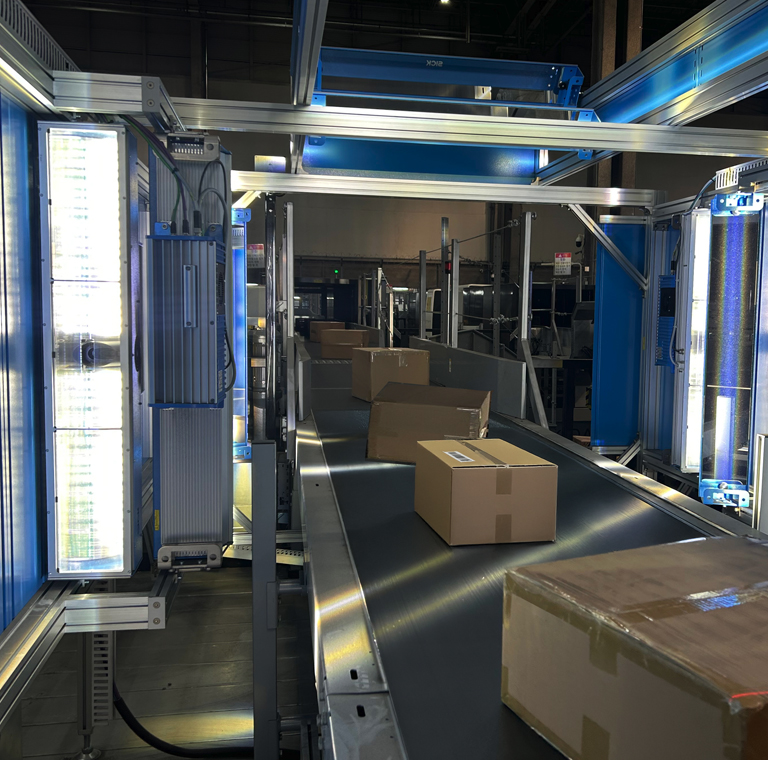
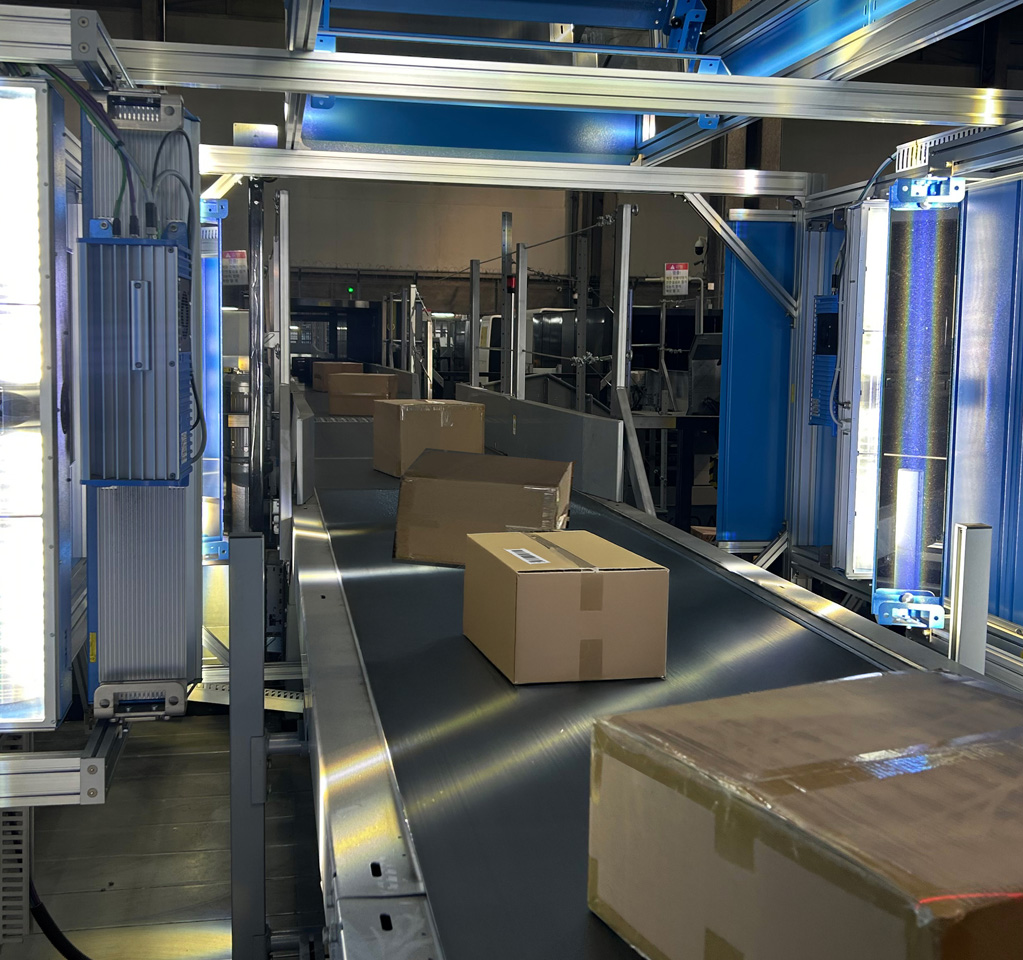
- UPS quadruples size of its Incheon hub, with an advanced automated sorting system that turbocharges processing speed by 4.5 times
INCHEON, South Korea, April 3, 2026 – Global logistics and supply chain solutions leader UPS (NYSE: UPS) today unveiled a major expansion of its Incheon Airport (ICN) hub, enabling faster import deliveries for businesses across the Seoul metropolitan area.
At almost 6,400 square meters, UPS has more than quadrupled the size of the hub and installed an advanced automated sorting system that increases hourly import processing capacity by 4.5 times.
This enables import shipments from across Asia Pacific to be cleared and out for delivery in as little as one business day, while imports from across Europe can be delivered in as little as two business days.
“Trade from Asia Pacific and Europe to South Korea has never been stronger,” said Bobby Seo, managing director, UPS Korea. “The increased processing speed from our expanded Incheon hub means we can now deliver imports to the Seoul metropolitan area on the same day they land.”
“That speed gives our customers a real edge, especially in fast-moving industries like high-tech and healthcare. It also helps them strengthen their supply chains with speed, agility and connectivity to capture more opportunities in global trade,” Seo added.
South Korea’s import flows are driven by key industries such as electronics, machinery and transportation, with strong trade links across Asia Pacific and Europe. Trade data shows that seven of the country’s top 12 import partners are from Asia Pacific, underscoring the importance of regional trade lanes, while trade with Europe continues to grow.
The expanded hub also supports the handling of complex healthcare shipments, with temperature-controlled storage ranging from -20 to 25 degrees Celsius. With South Korea importing nearly USD $9.7 billion worth of pharmaceutical products in 2025 – much of it from key markets in Europe – precise and reliable logistics are critical to move high-value products like specialty drugs and biologics.
Incheon, Korea’s largest cargo airport, serves as a key gateway for businesses in the region, with UPS operating 56 flights into and out of ICN each week, connecting Korea to UPS’s smart global logistics network.
This expansion is part of UPS’s continued investment in its Asia Pacific network, building stronger and faster connections to support growing trade flows across the region. In March this year the company opened its largest logistics center in Asia Pacific, in Taiwan, and broke ground on construction of its new hub at Hong Kong International Airport. UPS is also scheduled to open a new hub at Clark International Airport in the Philippines later in 2026.
“Asia Pacific is a driver of global trade growth, and we’re making targeted, long-term investments to help our customers move faster, build resilience and compete with confidence as they navigate an evolving trade landscape,” said Wilfredo Ramos, president, UPS Asia Pacific. “Strengthening the end-to-end network our customers rely on translates into greater flexibility, faster clearance and delivery, and more dependable solutions for time- and temperature-sensitive shipments.”
UPS offers its full portfolio of end-to-end logistics, digital and supply chain management solutions to businesses in South Korea, delivering to over 200 countries and territories worldwide in as little as one business day.
For full details of delivery times within UPS’s global network, refer to the UPS time and cost calculator.
About UPS
UPS (NYSE: UPS) is one of the world’s largest companies, with 2025 revenue of $88.7 billion, and provides a broad range of integrated logistics solutions for customers in more than 200 countries and territories. Focused on its purpose statement, “Moving our world forward by delivering what matters,” the company’s approximately 460,000 employees embrace a strategy that is simply stated and powerfully executed: Customer First. People Led. Innovation Driven. UPS is committed to reducing its impact on the environment and supporting the communities we serve around the world. More information can be found at www.ups.com, about.ups.com and investors.ups.com