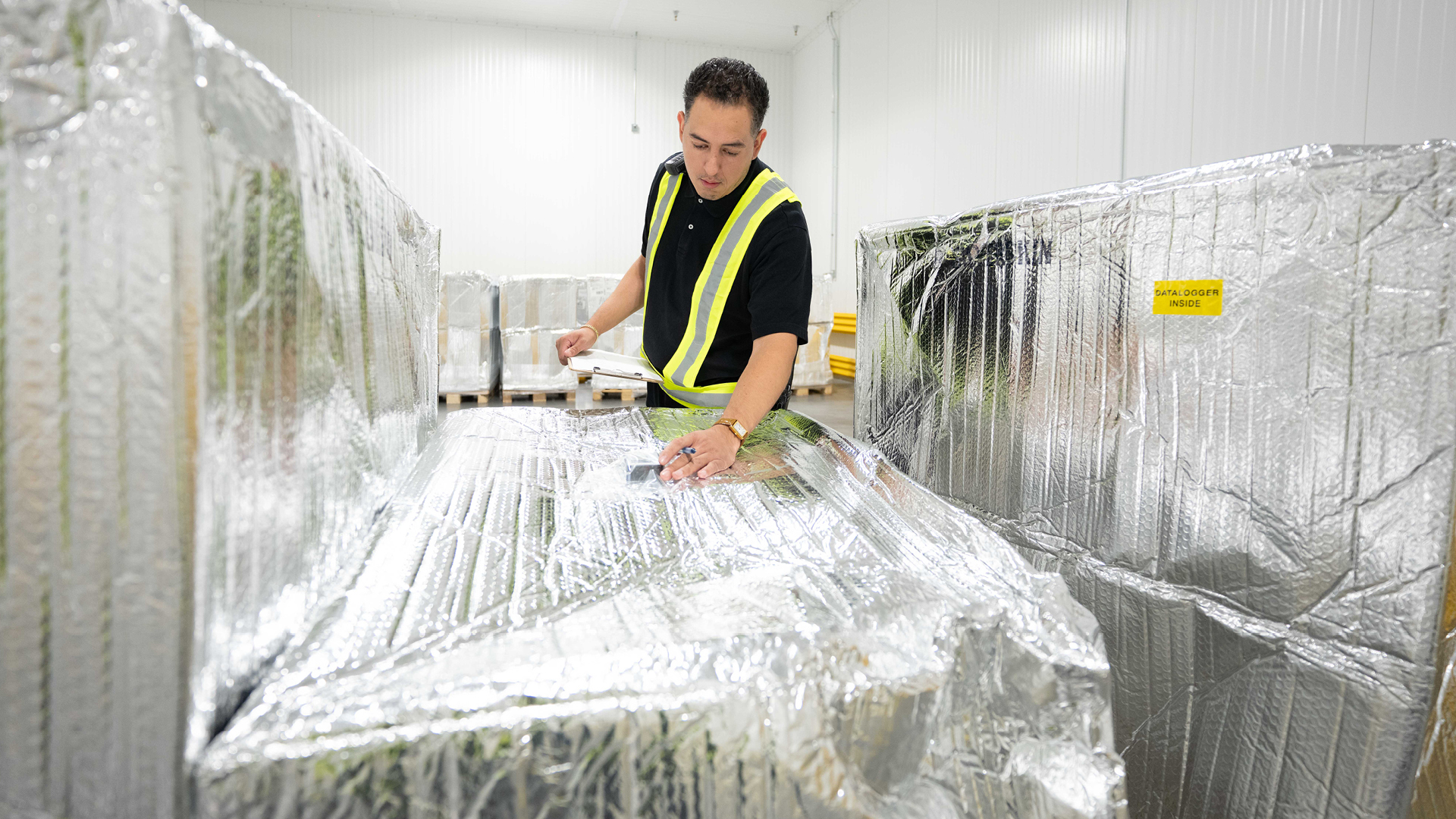
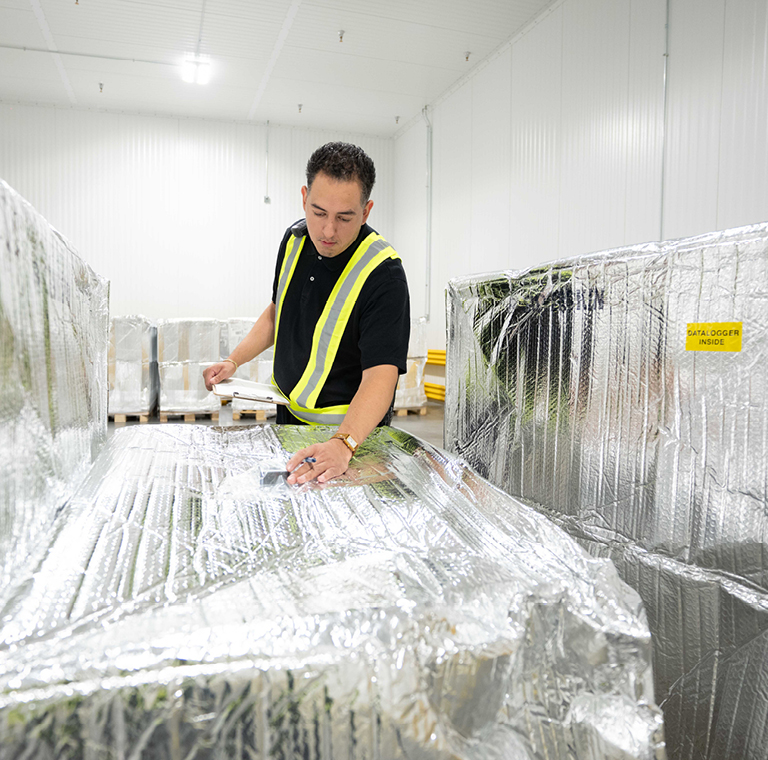
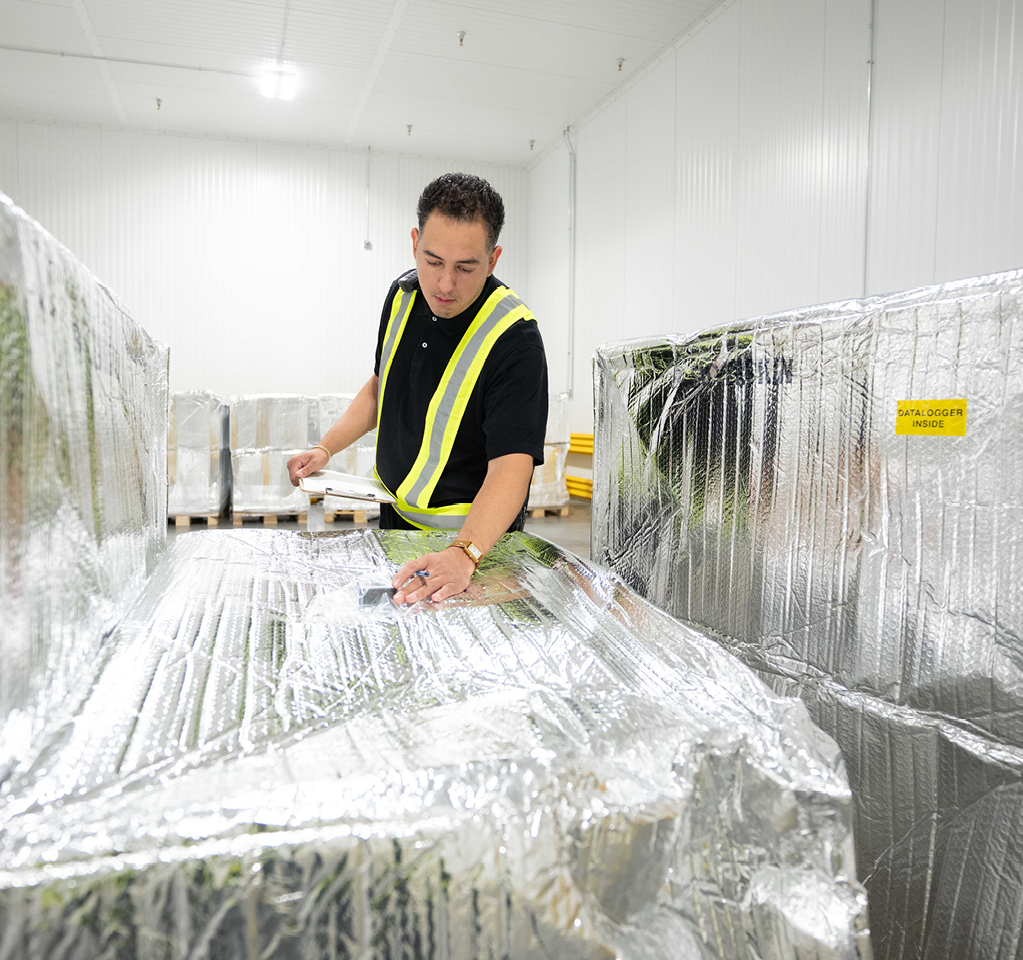
أتلانتا، 7 محرم 1448 - أعلنت شركة UPS (المدرجة في بورصة نيويورك تحت الرمز: UPS)، المُزوّد الرائد عالميًا في اللوجستيات المعقدة للرعاية الصحية، اليوم عن استثمار بقيمة 48 مليون دولار في 27 مرفق للشحن والتفريغ المباشر للشحنات المُتحكّم في حرارتها في أنحاء العالم. تقع هذه المرافق في أسواق رئيسية داخل الولايات المتحدة ودوليًا، بما في ذلك أوروبا، وآسيا، والأمريكتين، وتم تحسين كفاءتها التشغيلية لضمان السرعة والتخزين قصير الأجل بين عمليات النقل الجوي والبري - كل ذلك مع الحفاظ على متطلبات درجات الحرارة المُحدّدة. ويُعزّز هذا الإعلان شبكة سلسلة التبريد العالمية لشركة UPS، بالتزامن مع نمو الطلب على الأدوية التي تتطلب نطاقات حرارية صارمة تتراوح ما بين 2 إلى 8 درجات مئوية، و15 إلى 25 درجة مئوية، بالإضافة إلى الشحنات المجمدة.
ووفقًا لتقارير مؤسسة Growth Market Reports، من المتوقع توسع الطلب في هذا القطاع على المستحضرات الحيوية الحساسة للحرارة بمعدل نمو سنوي مُركّب يبلغ 8,3% حتى عام 2033، لتصل قيمته التقديرية إلى 39,1 مليار دولار. وتستلزم تلبية هذا الطلب خبرة تخصصية في سلاسل التبريد لضمان جودة المنتجات وسلامتها بدءًا من خطوط التصنيع حتى وصولها إلى المريض.
وفي هذا السياق، صرحت كيت جوتمان، النائب التنفيذي للرئيس ورئيس الحلول المتعلقة بالشؤون الدولية، والرعاية الصحية، وسلاسل التوريد في شركة UPS: "لقد قمنا بمواءمة استثماراتنا مع الاحتياجات المتخصصة لعملائنا في قطاع الرعاية الصحية. تعمل مرافق الشحن والتفريغ المباشر العالمية لدينا على تعزيز قدراتنا المتكاملة في سلاسل التبريد لضمان تسليم العلاجات الحيوية بشكل آمن وموثوق للمرضى في أنحاء العالم. إن هذا الجهد - وجميع أعمالنا في لوجستيات الرعاية الصحية - ينبُع من إدراكنا العميق بأننا نقوم بما هو أكثر من مجرد نقل الطرود. نحن نساعد المرضى على الوصول إلى الأدوية والعلاجات التي يحتاجون إليها".
مزود واحد وتحكُّم كامل: مرافق الشحن والتفريغ المباشر المتكاملة تقلل المخاطر
- يوفر 27 مرفقًا للشحن والتفريغ المباشر للشحنات المُتحكّم في حرارتها تدفقًا سلِسًا للبضائع في مختلف وسائط النقل. تلتزم جميع المرافق بالكامل بمعايير شهادة IATA CEIV Pharma، وهي المعيار المعتمد في قطاع صناعة الأدوية لضمان جودة مناولة المستحضرات الصيدلانية.
- وتعمل هذه الشبكة الموحدة والمتكاملة على إلغاء عمليات مناولة الشحنات بين جهات وسيطة، وهو ما يحد من المخاطر ويزيد من إحكام الرقابة.
- كما تساهم مستويات المساءلة العالية والإشراف اللحظي في حماية العلاجات ذات القيمة العالية والحساسة للحرارة من أي تجاوزات في درجات الحرارة أو انقطاع في الإمداد.
- ويعمل برج التحكم على مدار الساعة لمراقبة الشحنات بشكل استباقي، وتحديد المخاطر المحتملة، وتمكين التدخل السريع للحفاظ على استمرار حركة المنتجات الحيوية.
نهضة العلاجات المتقدمة تسرّع وتيرة الطلب على حلول سلاسل التبريد المتطورة
النمو المتسارع في خط إنتاج الأدوية الحيوية يزيد من تعقيد لوجستيات سلاسل التبريد؛ ووفقًا لـ PharmaSource، فإن دواءً واحدًا تقريبًا من بين كل ثلاثة أدوية مُعتمدة حديثًا اليوم هو مستحضر حيوي، وتتطلب أكثر من 85% من هذه المستحضرات مناولة خاضعة للتحكم الحراري.
مع طرح علاجات متطورة في الأسواق - مثل العلاجات الخلوية والجينية، ومنصات الحمض النووي الريبوزي المرسال (mRNA)، وحقن (GLP-1) - أصبحت سلاسل توريد الرعاية الصحية أكثر تعقيدًا وعُرضة للمخاطر. وتُعد الانحرافات عن درجات الحرارة المطلوبة مُحرّكًا رئيسيًا لهذه المخاطر، إذ تُقدّر خسائر إخفاقات سلسلة التبريد بنحو 35 مليار دولار سنويًا، كما تتسبب في هدر ما يصل إلى 50% من اللقاحات على مستوى العالم وفقًا لمنظمة الصحة العالمية.
وفي هذا الصدد، صرّح جون بولا، رئيس قطاع الرعاية الصحية في شركة UPS Healthcare قائلًا: "تدعم المستحضرات الحيوية والعلاجات المُخصّصة تقديم رعاية صحية أفضل وأكثر استهدافًا للمرضى. وتعكس هذه الاستثمارات التزامنا الراسخ بمواصلة مواءمة سلسلة توريدنا المتكاملة والرائدة لحماية العلاجات والوسائل التشخيصية المبتكرة، لتحقيق نتائج علاجية أفضل للمرضى."
من الاستحواذ إلى الميزة التنافسية: الاستثمارات توسِّع نطاق لوجستيات الرعاية الصحية المعقدة
يأتي توسيع شركة UPS لمرافق الشحن والتفريغ المباشر امتدادًا لاستثمار طويل الأجل في لوجستيات الرعاية الصحية المعقدة، التي تعززها عمليات استحواذ تشمل Bomi Group، وFrigo Trans وBPL في أوروبا، وAndlauer Healthcare Group في أمريكا الشمالية. وفي الآونة الأخيرة، وسعت UPS مركزها الجوي في "إنتشون" في كوريا لدعم تدفقات التجارة الصيدلانية سريعة النمو، حيث استوردت كوريا الجنوبية ما يقرب من 9,7 مليار دولار من المنتجات الصيدلانية خلال عام 2025، وفقًا لبيانات Observatory of Economic Complexity.
والنتيجة هي سلسلة توريد أكثر استجابة تحافظ على حركة شحنات الرعاية الصحية ذات القيمة العالية والحساسة للوقت ودرجة الحرارة بسلاسة في الجو، والبحر، والبر، والميل الأخير. ومع نمو الطلب، تم بناء شبكة UPS المتكاملة لإدارة هذا التعقيد اليوم والتوسع لمواجهة ما هو قادم.
نبذة عن UPS
شركة UPS (المُدرجة في بورصة نيويورك باسم: UPS) واحدة من أكبر الشركات في العالم، بإيرادات بلغت 88,7 مليار دولار في عام 2025، وتقدم مجموعة واسعة من الحلول اللوجستية المتكاملة للعملاء في أكثر من 200 دولة وإقليم. يركز موظفو UPS على بيان غايتها، وهو "دفع عالمنا إلى الأمام عن طريق تقديم ما يهم"، حيث يتبنى حوالي 460 ألف موظف في الشركة استراتيجية يذكرها ببساطة وينفذها بقوة: العميل أولًا. القيادة من قِبل الأفراد. الالتزام بالابتكار. يمكن العثور على المزيد من المعلومات على www.ups.com، وabout.ups.com، وinvestors.ups.com.
نبذة عن شركة UPS Healthcare
UPS Healthcare تقدم خبرة لوجستية خاصة بالرعاية الصحية لا مثيل لها لعملائها في جميع أنحاء العالم. تمتلك UPS Healthcare أكثر من 19,2 مليون قدم مربعة من مساحة توزيع منتجات الرعاية الصحية الممتثلة لممارسات التصنيع الجيدة وإجمالي الناتج المحلي على مستوى العالم. تشمل الخدمات إدارة المخزون، والتعبئة والشحن لدى سلسلة التبريد، وتخزين وشحن الأجهزة الطبية، والمختبرات، ولوجستيات التجارب السريرية. البنية التحتية العالمية لشركة UPS Healthcare، وخدمة الرؤية UPS Premier®، وتكنولوجيا التتبع والتعقب، ونظام الجودة العالمي الخاص بها، تناسب تمامًا تلبية متطلبات اللوجستيات المعقدة في الوقت الراهن للصناعات الدوائية، والأجهزة الطبية، وصناعات المختبرات التشخيصية. تفضل بزيارة Healthcare.ups.com للمزيد من المعلومات.
المصادر: Growth Market Reports; PharmaSource; Westwell Lab; World Health Organization; Observatory of Economic Complexity.